Medical biochemistry focuses on understanding the chemical processes within living organisms, particularly in the context of human health and disease. This field integrates principles of chemistry and biology to study biomolecules like proteins, nucleic acids, lipids, and carbohydrates, and their roles in physiological and pathological conditions
Medical Biochemistry can be a challenging subject, but this website is designed to help you learn more effectively. The School of Medical Biochemistry is an educational platform that supports medical students, university professionals, and curious learners worldwide. Our goal is to share comprehensive knowledge about Biochemistry, its significance in medical and life sciences, and the latest research in the field. This website will feature engaging and accessible educational content covering various topics, including Molecular biology, Molecular genetics, the Molecular basis of Human diseases, Biochemical tests, and the Latest Biomedical research from a Biochemistry perspective. Join us in exploring the fascinating world of Medical Biochemistry and enhance your understanding of life itself.

Latest Advances in Cancer Detection (2025)
A. Blood-Based Liquid Biopsies:
1) Multi-Cancer Early Detection: Liquid biopsy tests are revolutionizing early cancer detection. These blood tests analyze circulating tumor DNA (ctDNA) or proteins to identify cancers before symptoms appear. Notable examples include the Galleri® test, which screens for signals from over 50 cancer types, and Oxford’s TriOx test, capable of detecting six cancers at early stages with high sensitivity.
2) Personalized Mutation Tracking: Technologies now allow for patient-specific mutation tracking. After identifying mutations from an initial tumor biopsy, follow-up blood tests can detect even minimal traces of cancer DNA, enabling earlier intervention and tailored treatment plans. This approach is minimally invasive and cost-effective, and can be adapted to various solid tumors.
B. Artificial Intelligence in Diagnostics:
1) AI in Medical Imaging: Deep learning algorithms are now widely used to interpret X-rays, CT scans, MRIs, and mammograms, often detecting subtle abnormalities before they’re visible to human experts. AI has matched or surpassed radiologists in breast cancer screening, reducing both false negatives and positives, and is also enhancing lung, brain, and liver cancer detection.
2) Digital Pathology: AI-powered systems analyze digitized biopsy slides, distinguishing between benign and malignant cells with high accuracy. Companies like PathAI and Paige are leading this transformation, making diagnoses faster, more consistent, and less subjective.
3) Predictive AI Models: Advanced AI models can now predict cancer risk years in advance. For example, MIT’s “Sybil” model forecasts lung cancer risk up to six years ahead using low-dose CT scans, identifying at-risk patients even when tumors are not yet visible.
C. Population Screening and Real-World Implementation:
1) Large-Scale Screening: The integration of AI and liquid biopsies into population-wide screening programs is making early cancer detection more accessible and efficient. The NHS in England is pioneering the rollout of liquid biopsy tests for lung cancer, enabling faster, targeted therapy and reducing the need for invasive procedures.
2) Multi-Cancer Protein Tests: New blood tests, such as Novelna’s, analyze blood proteins to detect up to 18 early-stage cancers with high accuracy, representing a major step toward affordable, broad-spectrum screening.
*** Key Trends ***
~Personalization: Detection methods are increasingly tailored to individual Genetic and Molecular profiles, improving accuracy and minimizing unnecessary treatments.
~Minimally Invasive Approaches: Blood-based tests and AI-driven imaging are reducing the need for surgical biopsies and invasive procedures, making screening more patient-friendly.
~Earlier Intervention: Technologies like liquid biopsies and AI models enable clinicians to act when tumor burden is low, improving outcomes and survival rates.
References
[1] https://www.tbsnews.net/bangladesh/health/breakthrough-blood-tests-open-new-frontiers-cancer-detection-831021
[2] https://www.medsci.ox.ac.uk/news/oxford-researchers-develop-blood-test-to-enable-early-detection-of-multiple-cancers
[3] https://www.galleri.com
[4] https://medicalxpress.com/news/2025-06-technology-breast-cancer-relapses-years.html
[5] https://oncodaily.com/oncolibrary/artificial-intelligence-ai
[6] https://www.weforum.org/stories/2025/02/cancer-treatment-and-diagnosis-breakthroughs/
[7] https://diagnostics.roche.com/us/en/article-listing/2025-the-future-of-cancer-diagnostics-in-the-pathology-lab.html
[8] https://www.england.nhs.uk/2025/05/nhs-first-in-world-to-roll-out-revolutionary-blood-test-for-cancer-patients/
[9] https://www.asterhospitals.in/blogs-events-news/aster-medcity-kochi/latest-advances-cancer-treatment-what-patients-need-know-2025
[10] https://www.aacr.org/blog/2025/01/10/experts-forecast-cancer-research-and-treatment-advances-in-2025/
[11] https://ecancer.org/en/news/26550-asco-2025-switch-to-camizestrant-after-liquid-biopsy-detection-of-breast-cancer-recurrence-improves-outcomes
[12] https://www.cancercoreeurope.eu/nki-early-cancer-detection-conference-2025/
[13] https://www.cityofhope.org/about-city-of-hope/newsroom/2025-predictions
[14] https://www.cancerresearch.org/blog/ai-cancer
[15] https://www.nihr.ac.uk/news/new-multi-cancer-early-detection-blood-test-study-opens
[16] https://www.the-scientist.com/advances-in-cancer-therapies-and-diagnostics-72448
[17] https://med.stanford.edu/news/all-news/2025/04/rna-blood-test-cancer-detection.html
[18] https://www.birmingham.ac.uk/news/2025/commitment-to-using-new-ai-tools-to-advance-early-cancer-detection-and-prevention
[19] https://www.frontiersin.org/research-topics/71287/national-cancer-research-month-2025-advances-in-detection-treatment-and-therapies-in-oncology
[20] https://pmc.ncbi.nlm.nih.gov/articles/PMC12128506/

Recent breakthroughs in "Protein-based Plastic Recycling" focus on enzyme-driven processes that efficiently break down polyethylene terephthalate (PET), a common plastic used in bottles, packaging, and textiles, into its original monomers for reuse. Key developments include:
- Industrial-Scale Enzyme Recycling: A collaboration among NREL, University of Massachusetts Lowell, and University of Portsmouth has developed an economically viable enzymatic PET recycling process. This method selectively deconstructs PET, even from contaminated or colored waste, using engineered PETase enzymes. Innovations in reaction conditions and separation technologies have reduced energy use by 65%, annual costs by 74%, and the need for expensive chemicals by over 99%, making the process cost-effective at scale.
- Enzyme Reuse and Efficiency: Scientists introduced a protein-based system that traps enzymes within nanoscale protein compartments, allowing the same batch of enzyme to be reused multiple times with minimal activity loss. This system achieved over 90% depolymerization of real post-consumer PET waste in under 72 hours, demonstrating a powerful tool for industrial deployment and supporting circular economy goals.
- Commercial Scale-Up: Companies like Novonesis and Carbios are pioneering the world's first full-scale biological plastic recycling plants, expected to produce tens of thousands of tonnes of recycled PET (rPET) annually. The recycled PET matches virgin plastic quality and can be used for food-grade packaging and textiles, significantly reducing CO2 emissions.
- AI-Driven Enzyme Engineering: Protein Evolution Inc., in collaboration with U.S. Department of Energy labs, is harnessing artificial intelligence to design novel enzymes that break down various polyester wastes, including textiles. Their technology produces recycled PET with environmental equivalence to virgin PET but with much lower carbon emissions. Efforts are underway to scale enzyme production and expand the range of plastic waste processed.
- Broader Enzymatic Approaches: Beyond PET, researchers have developed enzyme-based protocols for other plastics like PLA, using ionic liquids to solubilize plastics and chemically modified enzymes to maintain stability and activity at higher temperatures, further expanding enzymatic recycling applications.
*These advances collectively represent a significant leap toward sustainable, efficient, and scalable "Protein/enzyme-based plastic recycling", reducing reliance on fossil fuels, lowering greenhouse gas emissions, and enabling a true circular economy for plastics.
References
[1] https://www.nrel.gov/news/detail/program/2025/plastics-recycling-with-enzymes-takes-a-leap-forward
[2] https://phys.org/news/2025-07-protein-based-enzyme-reuse-plastic.html
[3] https://stateofgreen.com/en/solutions/recycling-plastic-with-enzymes/
[4] https://lightsources.org/2025/01/14/revolutionising-plastic-recycling-a-breakthrough-in-enzyme-based-depolymerisation/
[5] https://www.recyclingtoday.com/news/protein-evolution-enzymes-plastic-textile-recycling-national-laboratories/
[6] https://phys.org/news/2025-06-enzyme-based-plastics-recycling-industrial.html
[7] https://cleantechnica.com/2025/06/30/plastics-recycling-with-enzymes-takes-a-leap-forward/
[8] https://www.cbe.europa.eu/achievements/innovative-enzyme-technology-leads-fight-against-plastic-waste
[9] https://www.diamond.ac.uk/Science/Research/Highlights/2025/20250117-B23-hydrolytic-enzyme.html
[10] https://techcrunch.com/2025/03/05/from-high-school-science-project-to-18-3m-ai-accelerated-enzymes-are-coming-for-fast-fashions-plastic-waste/understanding of this vital subject. Designed for medical students and professionals alike, this webinar is a great opportunity to expand your knowledge and stay updated on current trends in biochemistry. Register today to secure your spot!
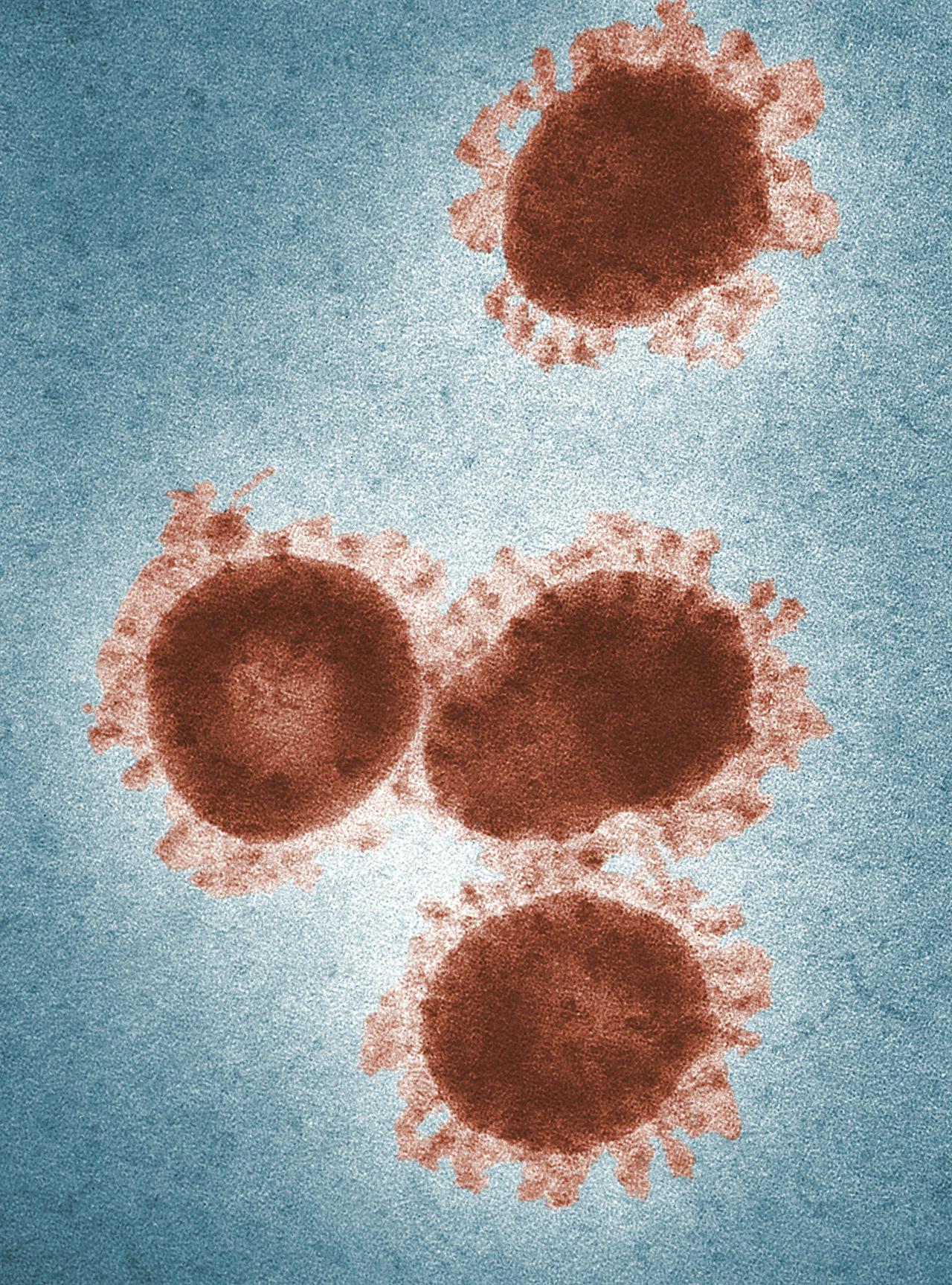
A significant recent advancement in hantavirus treatment and detection involves the development of **Human Monoclonal Antibodies** targeting hantavirus glycoproteins, which show promise for both diagnostics and therapeutics. These antibodies can specifically bind to hantavirus antigens such as Gn and Gc glycoproteins from various hantavirus strains (including Sin Nombre virus, Andes virus, Puumala virus, and others), enabling neutralization of the virus and potential therapeutic use.
Key points about these antibodies include:
-They are recombinant human monoclonal antibodies or antibody fragments (e.g., scFv, Fab) designed to recognize and neutralize hantavirus glycoproteins, crucial for viral entry into host cells.
- Studies have demonstrated their ability to neutralize multiple New World hantaviruses effectively in vitro, using pseudotyped vesicular stomatitis virus (VSV) systems expressing hantavirus glycoproteins, which mimic authentic virus infection.
- These antibodies have diagnostic applications, including use in ELISA, lateral flow assays, and biosensors, improving rapid and specific hantavirus detection.
- Neutralizing antibodies are critical for virus clearance and patient survival in hantavirus pulmonary syndrome (HPS), making these monoclonal antibodies promising candidates for therapeutic development.
- Current hantavirus antibody testing in clinical settings primarily detects IgG and IgM antibodies against hantavirus nucleocapsid proteins to diagnose infection and monitor immune response, but monoclonal antibodies provide more targeted tools for both detection and treatment.
**Human monoclonal antibodies against hantavirus glycoproteins** represent a cutting-edge approach to combating hantavirus infections by enabling precise detection and offering potential for neutralizing therapy, addressing a critical need given the high mortality associated with Hantavirus Pulmonary Syndrome.
References
[1] https://www.sciencedirect.com/science/article/abs/pii/S073288932400347X
[2] https://dlmp.uw.edu/test-guide/view/228
[3] https://pubmed.ncbi.nlm.nih.gov/40431735/
[4] https://www.mayocliniclabs.com/test-catalog/overview/75240
[5] https://patents.google.com/patent/US20220380442A1/en
[6] https://www.publichealthontario.ca/en/laboratory-services/test-information-index/hantavirus-serology
[7] https://www.tephinet.org/tephinet-learning-center/tephinet-library/hantavirus-antibody-seroprevalence-and-risk-factors-among
[8] https://www.mdpi.com/1999-4915/17/5/723
[9] https://netec.org/2025/03/10/hantavirus-pulmonary-syndrome-in-the-spotlight-understanding-risks-after-betsy-arakawas-tragic-death/
[10] https://www.sciencedirect.com/science/article/pii/S0732889316300888
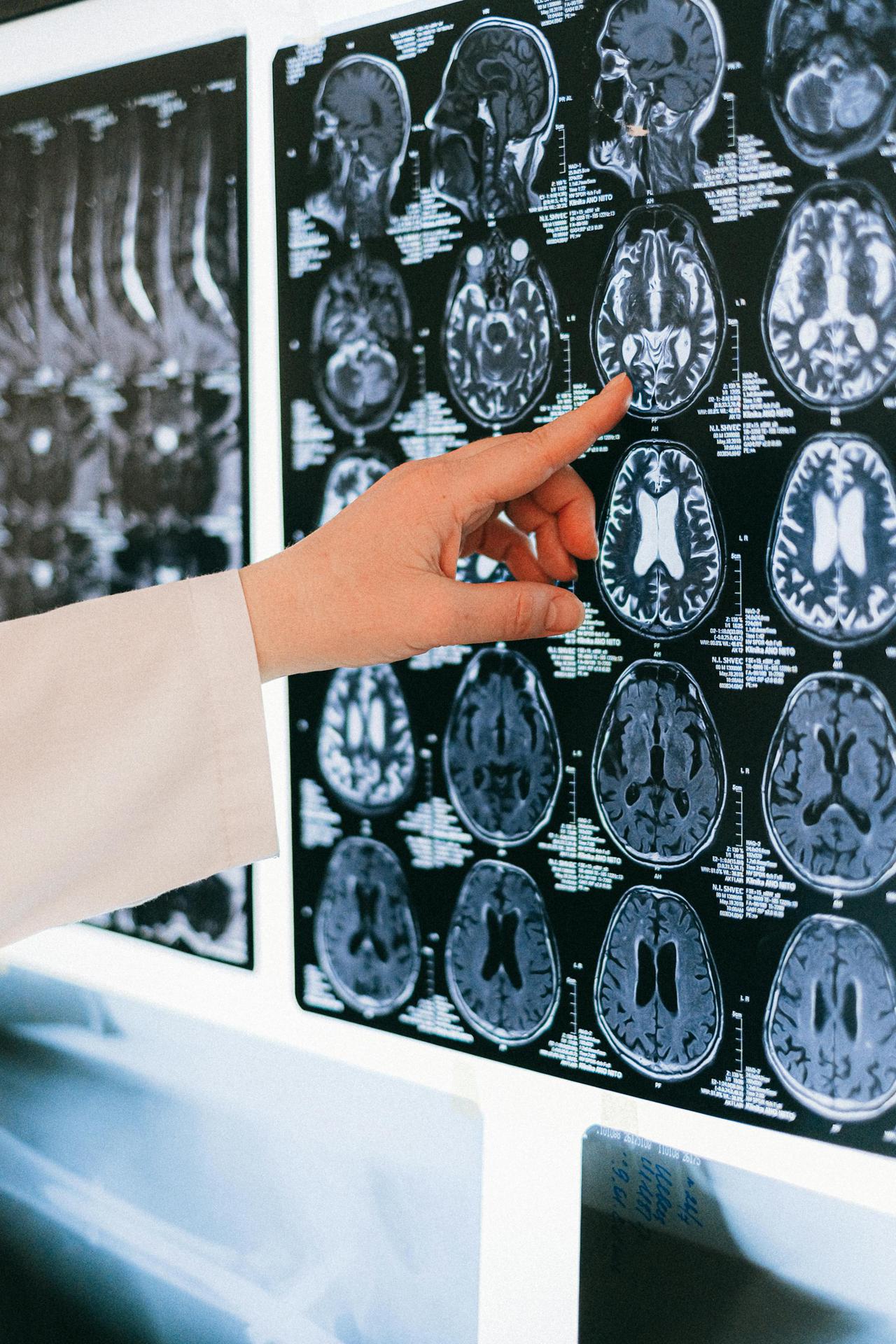
Recent research highlights Glial Fibrillary Acidic Protein (GFAP) as a promising "Biochemical biomarker for Acute Stroke", particularly in rapidly distinguishing between intracerebral hemorrhage (ICH) and ischemic stroke (IS). A pivotal study from 2025 has shown that GFAP levels, measured with a point-of-care device (i-STAT Alinity®) within 6 hours of symptom onset, can effectively differentiate ICH from IS and stroke mimics in prehospital settings. This has significant implications for timely triage and targeted therapies, with GFAP demonstrating high positive predictive values (90–95%) for ICH and a 100% negative predictive value for ruling it out in patients with moderate to severe neurological deficits. Moreover, integrating GFAP measurements with clinical predictors enhances diagnostic accuracy, achieving an area under the curve (AUC) of 0.90. Elevated serum GFAP levels are also linked to increased risk of cognitive impairment post-stroke, indicating its potential as a screening biomarker for post-stroke cognitive impairment (PSCI). Furthermore, GFAP levels correlate with stroke severity and timing, providing insights into the extent of tissue injury. Pilot studies validate the feasibility of rapid GFAP testing upon hospital arrival, emphasizing its practical application in acute stroke evaluation. With GFAP emerging as a robust, brain-specific biomarker, its integration into point-of-care platforms and combination with clinical predictors will significantly improve stroke triage and treatment decisions.
References
[1] Rapid prehospital GFAP testing distinguishes ICH from IS (2025, AHA Journals)
[2] Combining GFAP and clinical predictors improves ICH identification (2025, BMJ Group)
[3] High GFAP levels predict post-stroke cognitive impairment (2025, Frontiers in Aging Neuroscience)
[4] GFAP levels correlate with stroke severity and timing; feasibility of rapid testing (2024-2025, Frontiers in Neurology, AHA Journals)
[5] https://www.ahajournals.org/doi/10.1161/str.56.suppl_1.47
[6] https://pubmed.ncbi.nlm.nih.gov/40546304/
[7] https://www.frontiersin.org/journals/aging-neuroscience/articles/10.3389/fnagi.2025.1546270/full
[8] https://www.frontiersin.org/journals/neurology/articles/10.3389/fneur.2024.1470718/full
[9] https://www.ahajournals.org/doi/10.1161/str.56.suppl_1.TMP25
[10] https://pubmed.ncbi.nlm.nih.gov/40570271/
[11] https://oamjms.eu/index.php/mjms/article/view/oamjms.2019.326
[12] https://www.mdpi.com/2077-0383/14/13/4746
[13] https://www.sciencedirect.com/science/article/pii/S2950588725000035
[14] https://academic.oup.com/braincomms/article/7/1/fcaf054/8024033

1. Genetic and Epigenetic Regulation:
-Genetic Insights: Recent research emphasizes the complex interplay of gene mutations and deletions in the pathogenesis of hypertension, impacting renal salt handling, vascular function, and neurohormonal regulation. For example, mutations affecting renal proteins and blood vessel regulators continue to be identified, expanding the understanding of individual hypertension risk.
-Epigenetic Modifications: Epigenetic factors, including DNA methylation, RNA methylation, histone modification, and non-coding RNAs (such as microRNAs and long noncoding RNAs), have emerged as pivotal regulators of gene expression relevant to blood pressure control. These modifications influence key pathways in smooth muscle, endothelial cells, and kidneys, impacting vascular tone, inflammation, and sodium balance.
2. Vascular Signaling Pathways:
-Calcium and Nitric Oxide (NO) Pathways: Dysregulation of intracellular calcium signaling and impaired NO synthesis or signaling underlie reduced vascular relaxation in hypertension.
-RhoA/Rho-Kinase Pathway: Enhanced activity of this pathway in vascular smooth muscle cells leads to increased contraction and vascular resistance, commonly observed in hypertensive patients.
-Oxidative Stress and Inflammatory Pathways: Excess production of reactive oxygen species (ROS) disrupts vasodilation, while chronic inflammation promotes vascular dysfunction and remodeling.
3. Inflammation and Immune System Involvement:
-Vascular Inflammation: Chronic inflammation is increasingly recognized as a driver of hypertension. Immune cell infiltration and cytokine release in blood vessels contribute to endothelial dysfunction and vascular stiffness.
-Targeted Drug Delivery: Innovative nanoparticle-based therapies are being designed to deliver anti-inflammatory agents directly to affected vascular sites, improving efficacy and minimizing side effects in hypertensive patients.
4. Renal Mechanisms and New Proteins:
-Renal Protein Discovery: Recent studies highlight renal proteins like paracingulin, with mouse models showing its essential role in blood pressure regulation through effects on sodium handling and kidney function—outside the classic vascular constriction mechanisms.
5. Sex-Specific Molecular Responses:
-Sex Differences in Molecular Pathways: New evidence shows genes in the renin-angiotensin system (RAS), such as angiotensinogen and angiotensin receptors, respond differently in males and females under hypertensive stress. This includes compensatory upregulation of antihypertensive RAS components in females.
6. Translational and Therapeutic Advances:
-Identification of New Molecular Targets: Reviews point to a pipeline of novel molecules and pathways under clinical and preclinical development—including inhibitors of specific signaling proteins, anti-inflammatory therapies, and epigenetic modulators.
-Integration of High-Throughput Technologies: Transcriptomic profiling, spatial gene expression, and omics-based approaches are being used to map differential gene expression and cellular interactions, revealing new therapeutic opportunities and personalizing hypertension management.
References:
[1] https://pmc.ncbi.nlm.nih.gov/articles/PMC11892029/
[2] https://www.nature.com/articles/s41392-023-01430-7
[3] https://pubmed.ncbi.nlm.nih.gov/40495092/
[4] https://www.mdpi.com/journal/cimb/special_issues/2G8G68CBVB
[5] https://www.ahajournals.org/doi/10.1161/01.HYP.18.3_Suppl.I3
[6] https://www.myscience.ch/news/2025/a_renal_protein_reveals_a_new_mechanism_in_hypertension-2025-unige
[7] https://ish-world.com/documents/7_HTN%20March%202025%20Article%20F.pdf
[8] https://www.sciencedirect.com/science/article/abs/pii/S001429992400743X
[9] https://www.frontiersin.org/journals/immunology/articles/10.3389/fimmu.2025.1596174/full
Medical biochemistry offers a versatile and expanding career path with roles in industry, clinical labs, research, and academia. Its integration with healthcare and pharmaceuticals ensures strong demand, competitive salaries, and opportunities for specialization and global employment.

Dedicated Biochemistry Educator with a passion for making complex concepts accessible. Committed to inspiring future scientists through engaging learning experiences.