Website designed with the B12 website builder. Create your own website today.
Start for free

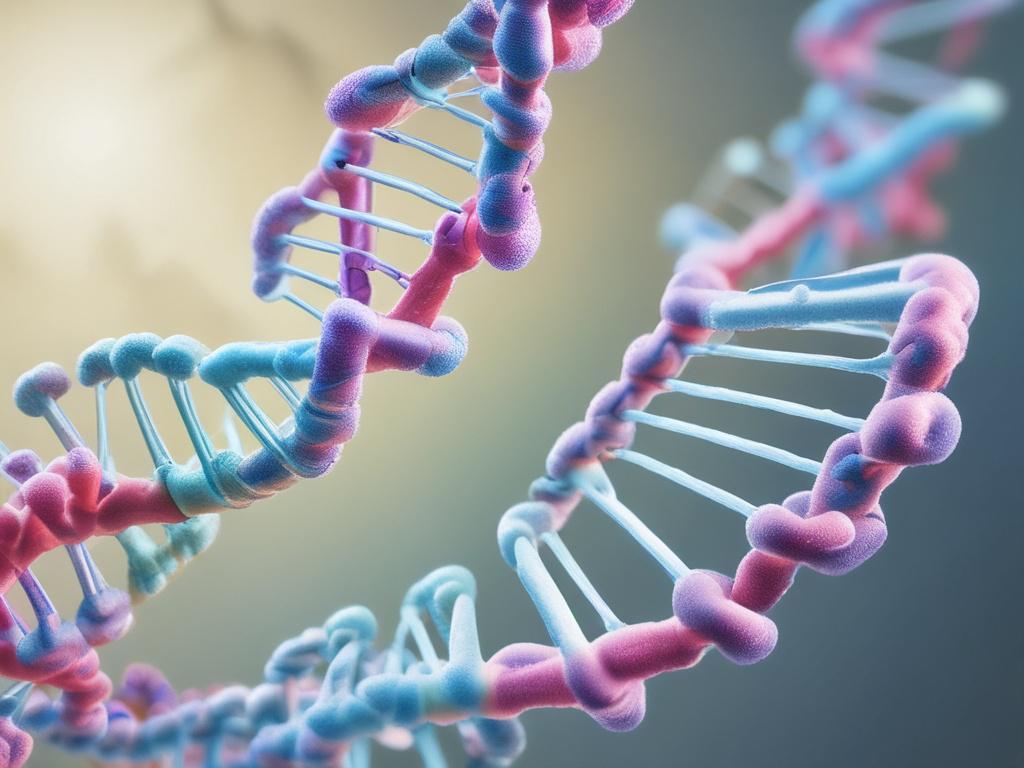
In this enlightening blog post, we delve into the fundamentals of molecular biology and its vital role in the realm of medical biochemistry. By exploring the intricate connections between molecular mechanisms and human health, we reveal how understanding these processes can lead to groundbreaking advancements in disease treatment. You'll discover the ways in which cutting-edge research is not only enhancing our comprehension of cellular functions but also paving the way for innovative therapies that promise to revolutionize patient care and outcomes. Join us as we uncover the profound impact of molecular biology on the future of medicine.
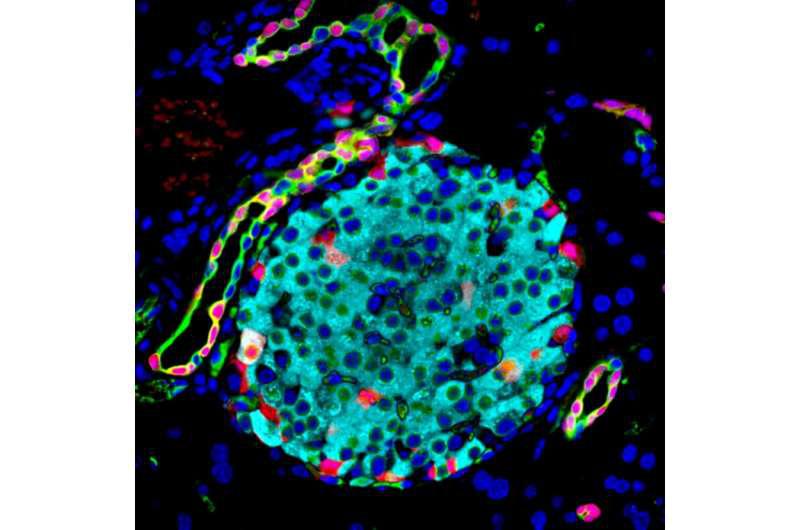
In our latest blog post, we delve into the critical relationship between oxidative stress and β-cell apoptosis in Diabetes Mellitus, a profound concern in medical biochemistry. We begin by exploring the role of reactive oxygen species, highlighting how these molecules contribute to the vulnerability of β-cells and exacerbate diabetes symptoms. Next, we unravel the mechanisms of mitochondrial-induced apoptosis, shedding light on how disturbances within these organelles can trigger cell death in β-cells, further harming insulin production. Lastly, we examine the impact of endoplasmic reticulum stress, detailing how it compromises β-cell survival and function, ultimately paving the way for the progression of diabetes. With an in-depth analysis of these interconnected processes, this post aims to enhance your understanding of the biochemical underpinnings of this metabolic disorder.

In this insightful blog post, we delve into the Central Dogma of Molecular biology, tracing its historical roots and significance in shaping our understanding of genetic information transfer. We'll explore how emerging research has expanded the dogma, unveiling new findings and exceptions that challenge traditional views on the flow of genetic material. As scientific advancements continue to reshape our perspectives, we consider the future landscape of molecular biology and the potential revisions to the foundational principles of the central dogma, paving the way for a deeper comprehension of life's complexities at the molecular level. Join us on this journey to uncover the evolving narrative of genetic information and its implications for Medicine and Biochemistry.

In our latest blog post, we delve into the intricate relationship between Down syndrome and its contributing factors, focusing on the vital roles of maternal age and genetic mechanisms. As we explore how advancing maternal age can elevate the risk of Down syndrome, we also uncover the underlying genetic defects and molecular pathways that shape this condition. Additionally, we shed light on the biochemical processes at play, revealing their profound impacts on health and development for individuals with Down syndrome. Join us as we unravel these complexities to foster a deeper understanding of this multifaceted condition and its implications.

In this blog post, we will uncover the fascinating world of DNA fingerprinting, a vital tool that ensures unique identification for forensic criminology and paternity testing. First, we will delve into the science behind DNA fingerprinting, exploring the molecular techniques that enable law enforcement and family-related cases to rely on distinctive DNA profiles for accurate results. Next, we will highlight groundbreaking advancements in the field, including short tandem repeat (STR) analysis, next-generation sequencing, and forensic genealogy, showcasing how these innovations are revolutionizing case resolutions. Finally, we will discuss the critical role DNA fingerprinting plays in achieving justice, resolving paternity disputes, and identifying disaster victims, while also addressing the ethical implications and challenges associated with this powerful technology. Join us on this journey through the intricate layers of DNA fingerprinting and its profound impact on society.