Understanding molecular biology unlocks the intricate mechanisms that govern life at a cellular level, making it a cornerstone of medical biochemistry. This dynamic field delves into the structures, functions, and interactions of biological molecules, revealing how they coordinate vital processes within the human body. By exploring the intricate world of molecular biology, we gain valuable insights into cellular function and dysfunction, paving the way for breakthroughs in diagnosing and treating diseases.
As we delve deeper into the connections between molecular mechanisms and human health, we uncover the profound impact these biological processes have on maintaining well-being and contributing to disease. Advances in molecular biology not only enhance our understanding of pathophysiological conditions but also fuel innovative therapies that target specific molecular pathways. In this blog, we will examine how these revelations are revolutionizing medicine and shaping the future of disease treatment, ultimately underscoring the critical interplay between molecular biology and medical biochemistry in promoting health and combating illness.
The fundamentals of molecular biology and its significance in medical biochemistry
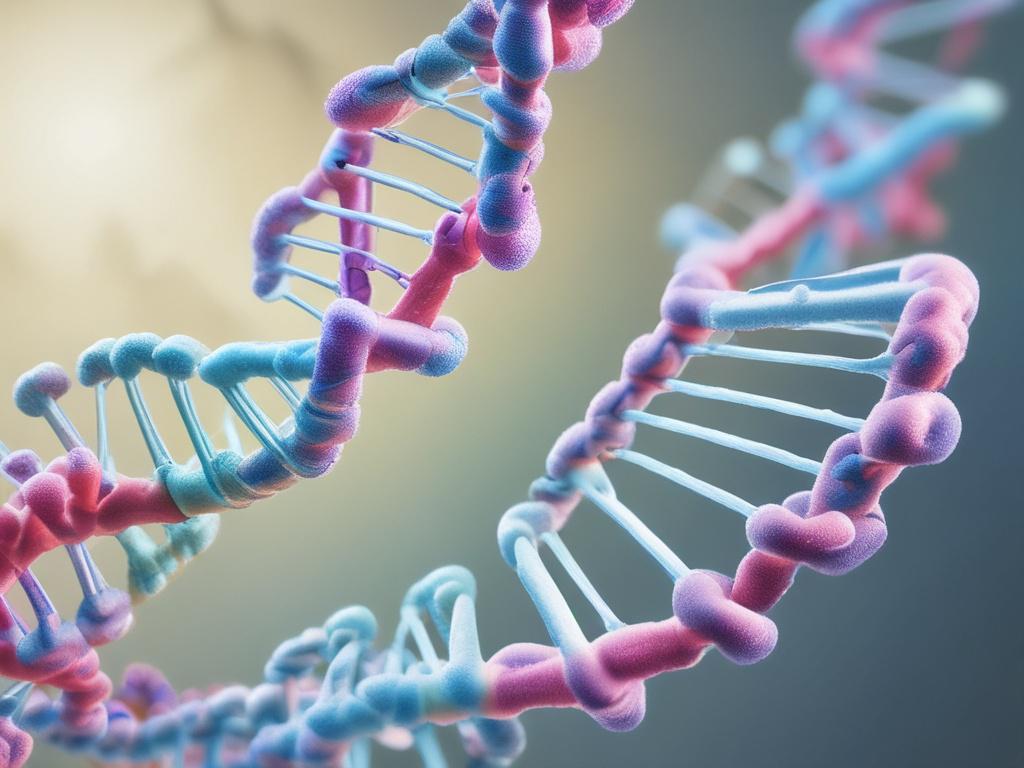
Molecular biology serves as the cornerstone of understanding how the smallest components of life interact to form complex systems. It focuses on the molecular basis of biological activity, including the roles of DNA, RNA, and proteins. By examining these fundamental molecules, researchers can uncover the intricate processes that govern cellular functions and how these processes relate to health and disease. The insights gained from molecular biology not only enhance our grasp of biological systems but also provide a framework for developing targeted biochemistry applications in medicine.
In medical biochemistry, the significance of molecular biology cannot be overstated. It bridges the gap between genetic information and its expression, leading to significant advancements in diagnostics and therapeutics. By exploring the intricate world of molecular biology, scientists can identify biomarkers for diseases and develop personalized treatment strategies. This understanding allows for the treatment of illnesses at their molecular roots, paving the way for more effective interventions. Thus, molecular biology stands as a vital player in the quest to improve human health and combat disease, firmly establishing its importance in the realm of medical biochemistry.
Exploring the connections between molecular mechanisms and human health
Molecular biology serves as a bridge connecting the intricate workings of cellular processes with human health outcomes. Through studying the molecular mechanisms, researchers can unravel how genes and proteins influence biological functions and contribute to disease states. For example, understanding how mutations in specific genes can lead to the development of cancers allows for the identification of targeted therapies that can effectively combat these diseases. By exploring these connections, scientists can not only enhance diagnostic techniques but also develop efficient treatment strategies that improve patient outcomes.
The relationship between molecular mechanisms and human health extends to various conditions, including metabolic disorders and autoimmune diseases. By examining cellular pathways and signaling networks, researchers gain insights into how disruptions in these systems can lead to health issues. This knowledge aids in the identification of potential biomarkers for early diagnosis and monitoring of diseases. Moreover, the growing field of pharmacogenomics, which studies how genes affect a person's response to drugs, exemplifies how molecular biology influences personalized medicine. Understanding these molecular connections empowers healthcare providers to tailor treatments, maximizing their efficacy and minimizing adverse effects.
How advances in molecular biology are shaping the future of disease treatment
Recent advancements in molecular biology have revolutionized the landscape of medical biochemistry, particularly in the realm of disease treatment. Researchers leverage insights gained from molecular biology to develop targeted therapies that precisely address the underlying causes of diseases at the cellular level. For example, understanding the intricate pathways of gene expression has led to innovations such as CRISPR gene editing technology, enabling scientists to correct genetic mutations responsible for inherited disorders. These breakthroughs exemplify how a deep understanding of molecular biology can enable more effective, personalized treatments that enhance patient outcomes.
Moreover, advances in molecular biology facilitate the discovery of novel biomarkers for diseases, which significantly aids in early diagnosis and monitoring of treatment efficacy. By identifying specific molecular signatures associated with different health conditions, medical professionals can tailor therapies to individual patients, improving both safety and effectiveness. As we continue to explore the intricate world of molecular biology, it becomes increasingly clear that these scientific advancements are crucial in developing innovative strategies to combat diseases, ultimately transforming conventional treatment approaches into more precise and effective interventions.