Molecular Biology serves as the cornerstone of life, revealing the intricate mechanisms that govern cellular functions and biological processes. As we dive into this fascinating field, we uncover the building blocks that compose all living organisms, ranging from DNA and RNA to proteins and metabolites. Understanding molecular biology is crucial for deciphering the complexities of life itself, allowing researchers and healthcare professionals to investigate how these molecules interact to sustain life, promote growth, and respond to environmental changes.
In addition to illuminating the very nature of life, molecular biology profoundly shapes our understanding of health and disease. From unraveling the genetic underpinnings of various conditions to developing targeted therapies that transform treatment paradigms, this discipline drives scientific innovation forward. As we explore the impact of molecular biology on current and future research, we will highlight the pioneering advancements that hold the promise of revolutionizing medicine and improving our quality of life. Join us as we delve deep into the intricate world of molecular biology and discover its far-reaching implications for health and beyond.
Dive into the intricate world of Molecular Biology: Unraveling the building blocks of life
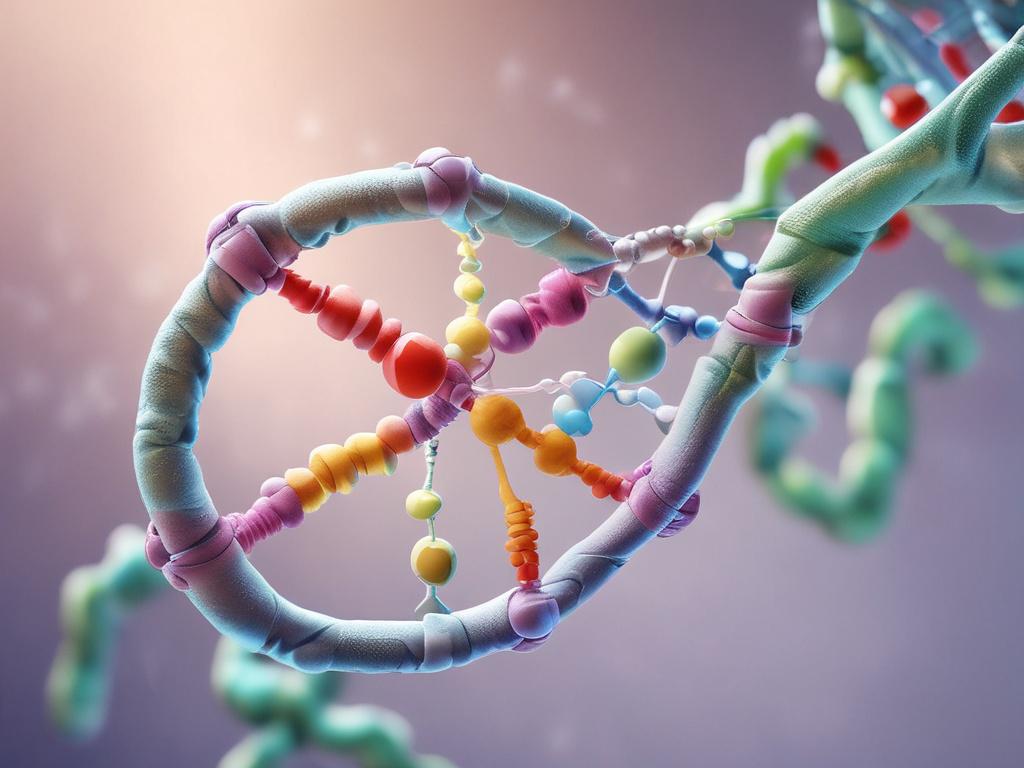
Molecular biology serves as a fascinating lens through which we can explore the fundamental building blocks of life. This branch of science investigates the interactions between various cellular systems, particularly the roles played by DNA, RNA, and proteins. By delving into these intricate processes, researchers can uncover how genetic information is transmitted, expressed, and regulated within living organisms. Understanding molecular biology allows us to appreciate the complex dance of molecular interactions that govern cellular function, growth, and reproduction. This knowledge not only provides insights into the essence of life but also empowers scientists to manipulate these building blocks for medical and biotechnological applications.
The significance of molecular biology stretches across multiple disciplines, interlinking biology, chemistry, and genetics. Researchers utilize cutting-edge techniques, such as CRISPR-Cas9 for genome editing and high-throughput sequencing, to visualize and manipulate molecular structures. These advances have opened new avenues for exploration, revealing how molecular dynamics influence everything from cancer development to genetic disorders. As we dive deeper into the intricate world of molecular biology, we become better equipped to tackle some of humanity's most pressing challenges, harnessing the power of life at its most fundamental level.
Discover how Molecular Biology shapes our understanding of health: From genes to therapies
Molecular biology serves as a crucial bridge between genetics and health, revealing the mechanisms that govern life itself. It focuses on the interactions between various cellular systems and the molecular underpinnings of biological functions. By examining DNA, RNA, and proteins, researchers gain insights into how genes influence health and predispose individuals to diseases. This understanding allows scientists to delve deeper into the genetic basis of conditions such as cancer, diabetes, and genetic disorders, identifying mutations that can lead to aberrant cellular behavior. Through these discoveries, molecular biology illuminates the pathways that contribute to both wellness and illness, setting the stage for targeted interventions.
As we continue to unravel the complexities of molecular biology, the implications for healthcare become increasingly profound. The field not only portrays a detailed picture of disease mechanisms but also paves the way for innovative therapies. Molecular treatments like gene therapy and personalized medicine tap into individual genetic profiles, offering customized approaches to healing. For example, oncologists now employ targeted therapies designed to attack specific cancerous cells while preserving healthy tissue, vastly improving patient outcomes. By understanding the intricate details of molecular interactions, we can create more effective treatments and preventive measures, revolutionizing healthcare as we know it.
The impact of Molecular Biology on future research: Pioneering advancements in medicine and beyond
Molecular biology stands at the forefront of revolutionary advancements in medical research. Researchers leverage the insights gained from studying DNA, RNA, and proteins to develop innovative therapies and targeted treatments. For instance, CRISPR technology allows scientists to edit genes with unprecedented precision, opening the door to curing genetic disorders and improving disease resistance. As we continue to delve deeper into the molecular mechanisms of diseases, the potential for personalized medicine expands, offering treatments tailored specifically to an individual's genetic makeup.
Beyond medicine, the implications of molecular biology extend to environmental science, agriculture, and biotechnology. Scientists utilize molecular techniques to enhance crop resilience against climate change and pests, thereby ensuring food security for growing populations. In the realm of environmental conservation, molecular biology aids in the study of ecosystems and the preservation of biodiversity. As we embrace the future, the intricate world of molecular biology will undoubtedly play a pivotal role in addressing some of humanity's most pressing challenges, driving advancements that shape our lives for generations to come.