The Cori cycle is a crucial metabolic pathway that plays a significant role in maintaining energy balance and metabolic health. By facilitating the recycling of lactate produced during anaerobic glycolysis in muscles back into glucose in the liver, this cycle ensures that the body can sustain energy production during intense physical activity and low-oxygen conditions. Understanding the Cori cycle sheds light on how our bodies adapt to various physiological demands, making it a key focus for both researchers and fitness enthusiasts alike.
In this blog post, we will delve into the mechanisms of the Cori cycle, exploring its steps and functions within the body. We will also highlight its clinical significance, examining how disruptions in this cycle can lead to metabolic disorders and other health complications. By the end, you will appreciate the vital role the Cori cycle plays not only in exercise performance but also in overall health and disease management. Join us as we uncover the intricacies of this essential metabolic pathway.
Understanding the Cori cycle: A central player in metabolism
The Cori cycle plays a vital role in the body’s metabolism by connecting muscle and liver function through its unique recycling mechanism. When muscles engage in intense exercise or experience low oxygen availability, they prioritize energy production through anaerobic glycolysis, converting glucose into pyruvate. This process generates ATP for immediate energy needs but leads to the formation of lactate in the absence of oxygen. Transporting lactate into the bloodstream allows it to reach the liver, where it undergoes conversion back into glucose, illustrating the seamless interplay between different metabolic processes in sustaining energy levels during physical activity.
By facilitating the conversion of lactate back to glucose, the Cori cycle not only supports ongoing muscle activity but also underpins the body's ability to maintain blood glucose stability. This metabolic pathway is especially crucial when the body faces stressors like prolonged fasting or vigorous exercise. As a result, the Cori cycle ensures that essential organs, including the brain, receive the necessary energy to function optimally. Understanding the Cori cycle is crucial for grasping how the body adapts to various physical demands and maintains metabolic equilibrium in different contexts.
Mechanisms of the Cori cycle: How it works in the body
The Cori cycle operates through a series of well-coordinated steps that facilitate the conversion of lactate back into glucose, ensuring efficient energy production during anaerobic conditions. Initially, when muscles undergo anaerobic glycolysis, they convert glucose into pyruvate, and subsequently, this pyruvate transforms into lactate. This process occurs primarily during high-intensity exercise when oxygen levels are insufficient to sustain aerobic metabolism. The conversion generates NAD⁺, which is essential for continuous ATP production, allowing muscles to perform work even when oxygen is limited.
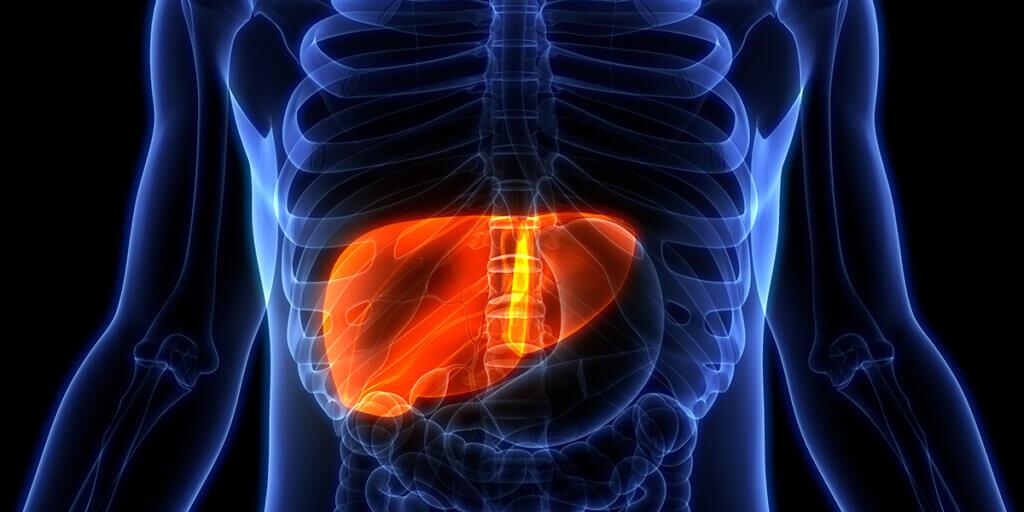
Once lactate enters the bloodstream, it travels to the liver, where it undergoes gluconeogenesis. In this phase, lactate is converted back into pyruvate and subsequently transformed into glucose. This glucose is then released into the bloodstream and transported back to muscle tissues, where it can be utilized for energy production. This remarkable recycling process not only sustains muscle function during periods of high demand but also plays a pivotal role in maintaining overall energy homeostasis within the body. By efficiently managing lactate levels and regenerating glucose, the Cori cycle supports athletic performance and readiness for extended physical activity.
The clinical significance of the Cori cycle: Implications for health and disease
The Cori cycle plays a vital role in various clinical contexts, particularly in metabolic disorders that disrupt glucose homeostasis. Conditions such as von Gierke disease, characterized by glucose-6-phosphatase deficiency, illustrate the cycle's importance. In this case, the inability to convert lactate back into glucose leads to hypoglycemia and lactic acid buildup. Understanding the Cori cycle can provide insights into managing these metabolic disorders, highlighting the need for timely interventions and nutritional support to mitigate symptoms.
Moreover, the Cori cycle's implications extend to critically ill patients with liver or kidney failures, where gluconeogenesis is impaired. The compromised ability of the liver to clear lactate can result in lactic acidosis, exacerbating the patient's condition. Recognizing the role of the Cori cycle allows healthcare providers to develop strategies that support energy metabolism in these patients. Additionally, the cycle is crucial in exercise physiology, as adapting to high-intensity training activates the Cori cycle, promoting lactate clearance and energy recycling. This adaptation underscores the Cori cycle’s importance in athletic performance and recovery, further solidifying its clinical relevance in both health and disease.